Moving to Jackson Hole with Pets: What to Sort Before You Arrive
Moving to Jackson Hole with pets takes more planning than a standard relocation. Veterinary care, licensing requirements, dog access rules, and horse boarding all need to be sorted before you arrive, not after. This guide covers the practical side so you are not working it out after the truck has left.
Finding a Vet in the Valley
Securing veterinary care before you arrive is worth doing early. Jackson Hole has a small number of clinics serving the whole valley, and they are busy. Call ahead, explain you are relocating, and ask about taking on new patients. Transfer your pets’ records before moving day so there is no gap in care if something comes up during the move itself.
For horse owners, finding an equine vet familiar with the local terrain and climate is a separate task. Wyoming winters affect horses differently than most places people are relocating from. Altitude, cold, and feed availability are all factors worth discussing with a vet who actually works in this valley before your animals arrive.
Dog Parks and Off-Leash Areas
Jackson Hole is a genuinely dog-friendly place to live. The Jackson Dog Park off Snow King Avenue has a fenced off-leash area and is well used by locals year round. Bridger-Teton National Forest trails are accessible from multiple points around the valley and many allow dogs, though seasonal wildlife restrictions apply on some routes. Check current rules before you go rather than assuming year-round access.
One thing worth knowing: wildlife is present throughout the valley, including in town. Moose are common and unpredictable. Keeping your dog under reliable voice control matters here in a way it may not have in your previous location.
In town, Cache Creek Trail is one of the most used dog-walking routes by locals. It runs along the creek from the east side of Jackson into the hills and is accessible year round, though it gets icy in winter and muddy in spring. Snow King trails are another option close to town. Both are popular enough that your dog will have company.
Grand Teton National Park does not allow dogs on trails or in the backcountry. They are permitted on roads, in parking areas, and in campgrounds on a leash. The Bridger-Teton trails outside the park boundary are where most local dog owners do the bulk of their trail time.
Horse Boarding and Equestrian Properties
The valley has boarding facilities ranging from full-service barns to pasture-based options. Start that search before your move date is confirmed. Good boarding spots fill up and availability is not guaranteed. If you are moving horses long distance into Jackson Hole, make sure your transport trailer is equipped for mountain driving. Teton Pass is steep and the approach matters.
Wyoming requires a current negative Coggins test to transport horses across state lines. Have that paperwork sorted before moving day, not the morning of.
Pet-Friendly Neighbourhoods
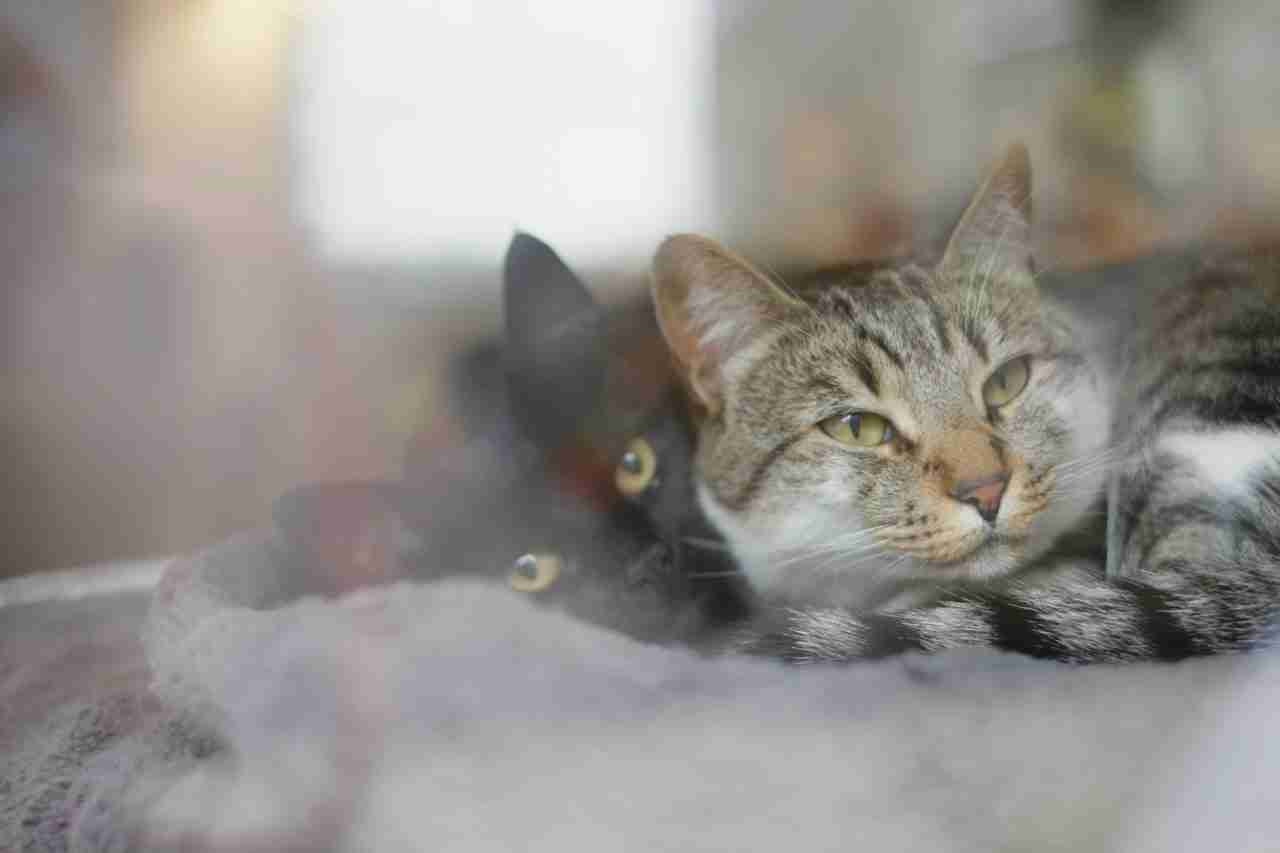
Most of Jackson Hole is genuinely liveable with pets. East Jackson and South Park are both practical for dog owners, with street access to Cache Creek and proximity to the dog park. Wilson sits close to the Snake River and has easy trail access from multiple points. If you are renting, ask directly about pet policies before you commit. Some landlords have breed or size restrictions and others charge additional deposits. Getting that conversation out of the way before you sign saves complications later.
For horse owners, properties in the Flat Creek area, along South Park Loop, and further out toward Kelly and Moose offer the space and infrastructure that keeping horses requires. Rural properties with existing barn structures are limited and move quickly. If equestrian access is a requirement rather than a preference, start that property search early and work with an agent who knows the equestrian market specifically.
Pet Licensing and What Wyoming Requires
Dogs and cats need to be licensed in Teton County, Wyoming. Proof of current rabies vaccination is required. Licenses are renewed annually. Contact Teton County Animal Control for current fees and requirements as these can change.
For interstate moves, a health certificate issued within ten days of travel is standard. Schedule that vet appointment before your move date and factor it into the timeline.
What to Sort on Moving Day
Pets and moving days do not mix well. A dog loose in a house being packed creates risk for the animal and slows the crew down. A cat that gets out during a move in an unfamiliar area is a serious problem.
Arrange for pets to be somewhere else on moving day. A friend, a boarding facility, a kennel for the day. If that is not possible, keep them in one room with the door closed and tell us which room so we work around it.
How We Lift Things Can Help
Moving to Jackson Hole with animals adds variables to the timeline that a standard move does not have. Vet appointments, boarding logistics, and the general complexity of relocating with multiple animals means moving day often arrives faster than expected and with less preparation time than planned.
We offer full packing and partial packing for clients who need more of the load taken off before moving day. We also offer climate-controlled storage for moves where the new property is not quite ready when the truck arrives, which happens often on relocations where timing is driven by lease endings or boarding availability rather than a fixed date.
If you are moving to Jackson Hole with pets and want to talk through the specifics of your job, call us or request a quote and we will give you a straight answer on what the move involves.